This June, the American Migraine Foundation observed Migraine and Headache Awareness Month with a theme that hits at the heart of what it means to live with migraine:
I AM INVISIBLE.
Migraine itself may be invisible, but the people living with it are not. They show up every day, push through, and carry something most people never see. This month, we’re changing that.
Migraine itself may be invisible, but the people living with it are not. They show up every day, push through, and carry something most people never see.
All month long, we sat down with leading migraine specialists for expert-led conversations, covering everything from diagnosis and treatment to the toll migraine takes on relationships, work, and mental health. Every session is now available to watch on demand below.
Each week, we shined a spotlight on a different dimension of the migraine experience through expert-led conversations with leading specialists.
Missed it live? Watch the replay and hear the latest on PACAP — one of the most promising emerging migraine treatments since CGRP — plus new research on treating migraine before pain begins, and AMF’s new research grant program.
We’re working to unlock a future with better treatments, greater understanding, and more support for those living with migraine. Every dollar raised helps AMF fund innovative research, trusted resources, and patient-centered programs that transform lives.
Your gift, no matter the size, helps make that possible.
Missed a live session? You can catch every conversation right here.
WEEK 1: Seeing Migraine Clearly
WEEK 2: Bringing Effective Migraine Care Into Focus
WEEK 3: The Impact Others Don’t Always See
WEEK 4: Migraine in Focus: Research, Innovation, and What's Next
MHAM 2026 is made possible through the generous support of our sponsors:
You should not have to deal with migraine—or pregnancy—alone. It’s critical to have a support network of understanding people who can not only check in on you but also empathize with your experience. Read this article to learn about building a support system. Then consider joining our Move Against Migraine support group on Facebook so you can connect with others who live with migraine.
Close this window to continue to the next step in the journey.
Finding people whom you can lean on for support can help lift some of the burden of managing migraine before, during and after pregnancy. Our Move Against Migraine Facebook group is full of mothers with migraine who can offer encouragement and support throughout your journey. Join the community today.
Close this window to continue to the next step in the journey.
We are happy to hear this! Pregnancy can add another complicated layer to your migraine journey, but having a strong support system will make it easier to navigate the ups and downs. You can find additional support from people in your position and those who have already experienced pregnancy with migraine in our Move Against Migraine Facebook group.
Close this window to continue to the next step in the journey.
Close this window to continue to the next step in the journey.
It’s important to work with your obstetrician and your headache doctor when you have migraine to establish a safe treatment plan. If you’re not already working with a headache doctor, use our Find a Doctor tool to find someone in your area. Plan to discuss the FDA’s safety guide for medication use during pregnancy.
Close this window to continue to the next step in the journey.
Start by reviewing the FDA’s safety guide for medication use during pregnancy. You may also want to learn about lifestyle changes for migraine management as you consider other lifestyle changes you’re making during pregnancy. If you’re only working with your obstetrician at this time, we recommend adding a headache doctor to your team. Use our Find a Doctor tool to find someone in your area.
Close this window to continue to the next step in the journey.
Migraine is a disabling disease that no one should have to go through alone. It’s essential to build a support network of understanding people who can not only check in on you during an attack but also empathize with your experience. Read this article to learn about building a support system. Then consider joining the Move Against Migraine support group on Facebook so you can connect with others who live with migraine.
Close this window to continue to the next step in the journey.
You are not alone. If your support system is lacking, consider joining a support group. Finding a community of people who understand exactly what you’re going through is like being welcomed home after a long, tiring day. Our Move Against Migraine support group is a place for you to connect with others (via Facebook) who live with migraine to exchange stories and find community and support.
Close this window to continue to the next step in the journey.
That’s great news! Having a strong network of people who validate your experience and support you on the good days and bad is so valuable when you live with an invisible illness like migraine. If you’re interested in connecting with more people in the migraine community, we recommend joining our Facebook support group, Move Against Migraine. There, you will find a wonderful community of people who are ready to listen and lift each other up.
Close this window to continue to the next step in the journey.
Mounting evidence suggests there may be a connection between migraine and mental health. Anxiety disorders and depression are two of the most commonly reported mental illnesses among people who are diagnosed with migraine. By learning how migraine and mental health impact one another and ways to manage both, you can improve your quality of life. Learn more about the relationship between migraine and mental health in this AMF webinar.
Close this window to continue to the next step in the journey.
Did you know? In the 2022 Migraine and Mental Health Connection Survey, almost 60% of patients with migraine reported being diagnosed with an anxiety disorder, 50% reported depression and 25% reported PTSD. This correlation suggests that migraine and mental illnesses may be associated with each other. Access this page to find migraine and mental health treatment options and self-care tips you may not have considered.
Close this window to continue to the next step in the journey.
Receiving a formal migraine diagnosis is the first milestone when working with your doctor to identify a personalized and effective treatment plan. Continuing to talk with your doctor throughout the course of your treatment is important for determining the strategies that prove beneficial and those that may not be as effective.
Close this window to continue to the next step in the journey.
As you work with your doctor on next steps, it will be important to maintain access to reliable resources on migraine. We recommend a look at our patient guides, which include useful information including how to talk to your doctor about migraine.
Close this window to continue to the next step in the journey.
Close this window to continue to the next step in the journey.
If a doctor has prescribed medication for your chronic migraine and you choose to move forward with that line of treatment, follow instructions carefully. It is crucial to take medications at the recommended times to ensure maximum effectiveness. Additionally, it is important to communicate with your doctor if you experience any adverse effects or if the medication does not seem to be working as expected.
Close this window to continue to the next step in the journey.
Close this window to continue to the next step in the journey.
The Migraine Advocacy Hub is live on our website! The American Migraine Foundation has created a Migraine Advocacy Hub, a central location for migraine advocacy resources and opportunities to connect with others to mobilize against migraine in your community. Explore the Migraine Advocacy Hub here.
Close this window to continue to the next step in the journey.
Close this window to continue to the next step in the journey.
It’s important to stay updated on the latest migraine research and treatment strategies. The American Migraine Foundation Resource Library provides a wealth of articles designed to assist you in understanding your symptoms and treatment options.
Close this window to continue to the next step in the journey.
Alternative migraine therapies can work alongside traditional treatments to reduce migraine attack frequency and lessen the impact of symptoms. Learn about common alternative treatments.
Close this window to continue to the next step in the journey.
Close this window to continue to the next step in the journey.
Whether you have lived with migraine for a few months or a few decades, you know migraine can be a challenging experience. You should continue to seek proper medical attention and access information to help alleviate the burden.
Close this window to continue to the next step in the journey.
Close this window to continue to the next step in the journey.
Don’t give up on your search to find an integrative treatment that works for you. Here are some alternative therapies to look into. Our Resource Library is another great place to find information on these treatments.
Close this window to continue to the next step in the journey.
As you work with your doctor on next steps, it will be important to maintain access to reliable resources on migraine. We recommend taking a look at our patient guides, which include useful information like how to talk to your doctor about migraine.
Close this window to continue to the next step in the journey.
Treatment options vary, from acute treatment to relieve symptoms to preventive treatment to reduce the number of attacks you experience. There are also behavioral treatment options and lifestyle changes that can help. Learn more on this page.
Close this window to continue to the next step in the journey.
Start here. This Diagnosis & Treatment page walks you through next steps after a diagnosis. You could also search our Resources Library to learn more about symptoms, triggers and treatments.
Close this window to continue to the next step in the journey.
It will be crucial to have access to reliable resources on migraine as you work to manage this disease. The American Migraine Foundation offers extensive resources to help you explore your symptoms and treatment options.
Close this window to continue to the next step in the journey.
Close this window to continue to the next step in the journey.
No matter what you call it—a headache journal, migraine diary, headache tracker—keeping track of your symptoms can be a versatile tool to help better manage your health. It can help you identify patterns over time and help your doctor identify if you are experiencing migraine. Learn more about tracking your symptoms here.
Close this window to continue to the next step in the journey.
Close this window to continue to the next step in the journey.
Nausea and/or vomiting is just one of many symptoms a person living with migraine might experience. Because migraine is a highly nuanced disease, it is important to learn about all possible symptoms that may appear before, during or after a migraine attack, including less common ones such as aura. You can start with this resource.
Yawning and fatigue are typical symptoms of prodrome, the first phase of a migraine attack. Other symptoms can include food cravings and difficulty concentrating. If you think you may have migraine, these answers to common questions can help you further investigate this possibility with a doctor.
Migraine is a complex disease with a range of symptoms that vary from person to person. Common symptoms such as vertigo and dizziness are also associated with vestibular migraine. Learn more about migraine symptoms in our Frequently Asked Questions to see if you may be living with migraine.
Light sensitivity is a common symptom of migraine (as is sensitivity to sounds or smells), but not everyone who has the disease will experience it. Identify other symptoms of migraine and find answers to Frequently Asked Questions to help you start the conversation about migraine with your primary care provider.
While migraine is a common disease that affects 39 million Americans, no two migraine experiences are the same. Symptoms can vary from light sensitivity and dizziness to food cravings or body chills. Explore these Frequently Asked Questions about migraine symptoms to see if you might be experiencing migraine.
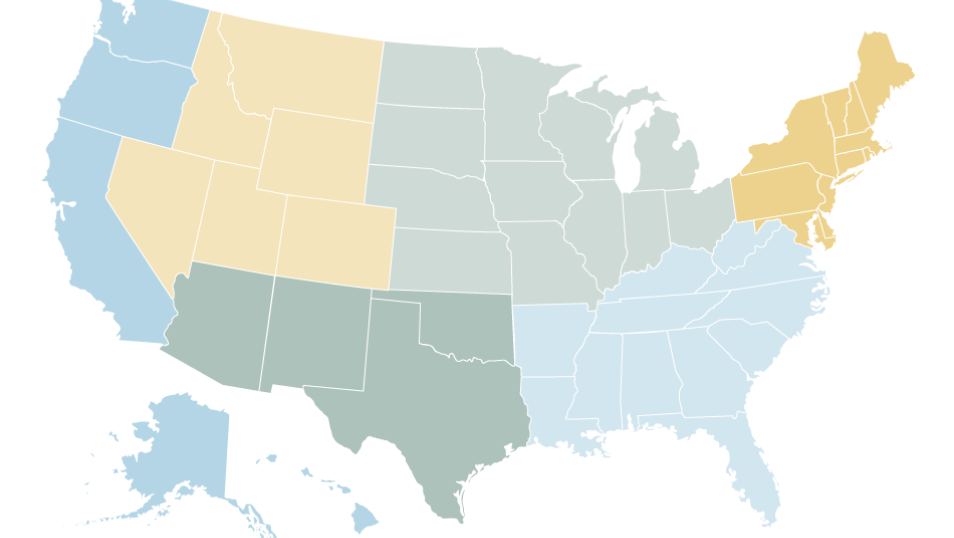
Northeast Regional Champions
Ashley Crane (NY)
“To ignore the plight of those one might conceivably save is not wisdom—it is indolence. And such a passive stance will not, I fear, take us far upon the path to progress.” – Final Fantasy XIV
“I am working my happiness like a full time job.” – Gabrielle Bernstein
Cherise Irons (FL)
“As iron sharpens iron so one person sharpens another.” – Proverbs 27:17
Elisabeth Walker (FL)
“I am a Registered Nurse who is very passionate about helping others and advocating for the migraine community. I have had migraine with aura since I was in my teens and want to work towards a better future for all.”
“The best decision I ever made was to love myself as I am.”
Angela Rutherford (TX)
“Having lived with migraine since age 2, today we are living in an amazing time for advances in migraine treatment. Some of the newer medications don’t work for everyone, but finding relief in my lifetime gives me real hope for current and future generations living with migraine.”
Pacific Regional Champions
Kelsey Feng (CA)
“Advocacy is to reduce healthcare disparities in marginalized communities.”
Victorina Andrade (CA)
“When life gives you rain, play in the puddles.” – Winnie the Pooh
MidWest Regional Champions
Sarah Arndt (WI)
“Nobody knows ‘better’ than you. You have always been and continue to be the expert of your own body.”
Michele Mayer (MI)
“Thank yourself for how far you’ve come. Life hasn’t been easy, but you’ve always found the strength to face another day.” – Roger Lee
Rocky Mountain Regional Champions
Kaitlin Hall
“If we do not become active partners in crafting the policies that involve and affect our work, it will be done without our insight, reason, and wisdom.”